


Choosing the right method makes all the difference.
Not every carbon farming method suits every property. The method that works for a grazing station in the Queensland mulga country is unlikely to be the same as the right choice for a livestock property in the South Australian Mallee. Understanding which method fits your land, and your operation, is the first thing we assess.
All of AiCarbon’s carbon projects are registered and operated under methods legislated by the Clean Energy Regulator (CER) under Australia’s Emissions Reduction Fund (ERF). Below is a plain-language explanation of the four methods we work with. For the full official documentation, the Clean Energy Regulator’s website at cer.gov.au is the authoritative source.
UNDERSTANDING NATIONALLY RECOGNISED CARBON SEQUESTRATION METHODS FOR SUSTAINABLE AGRICULTURE
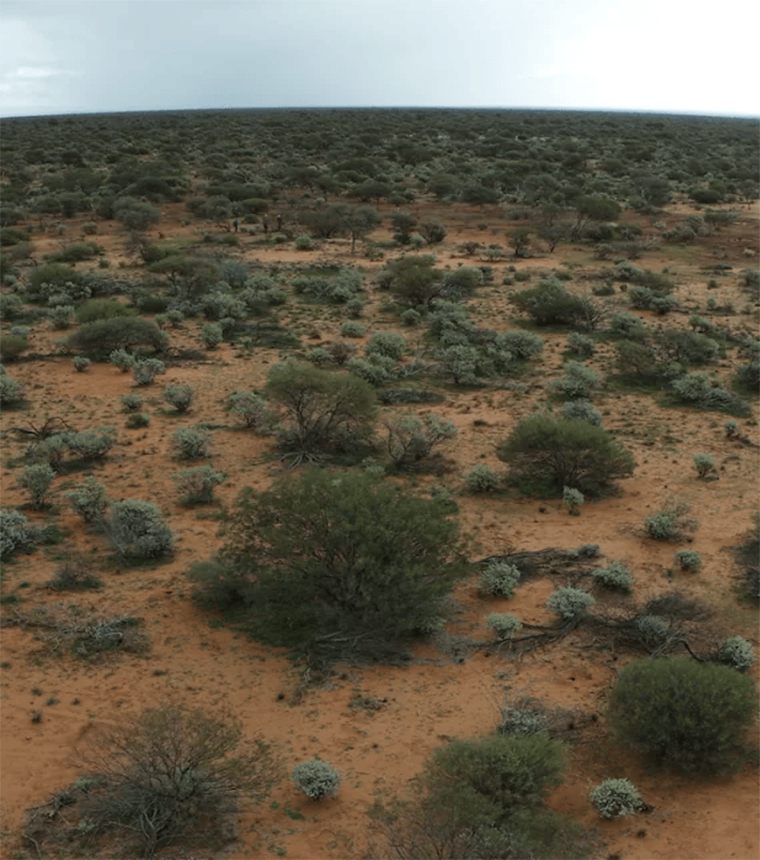
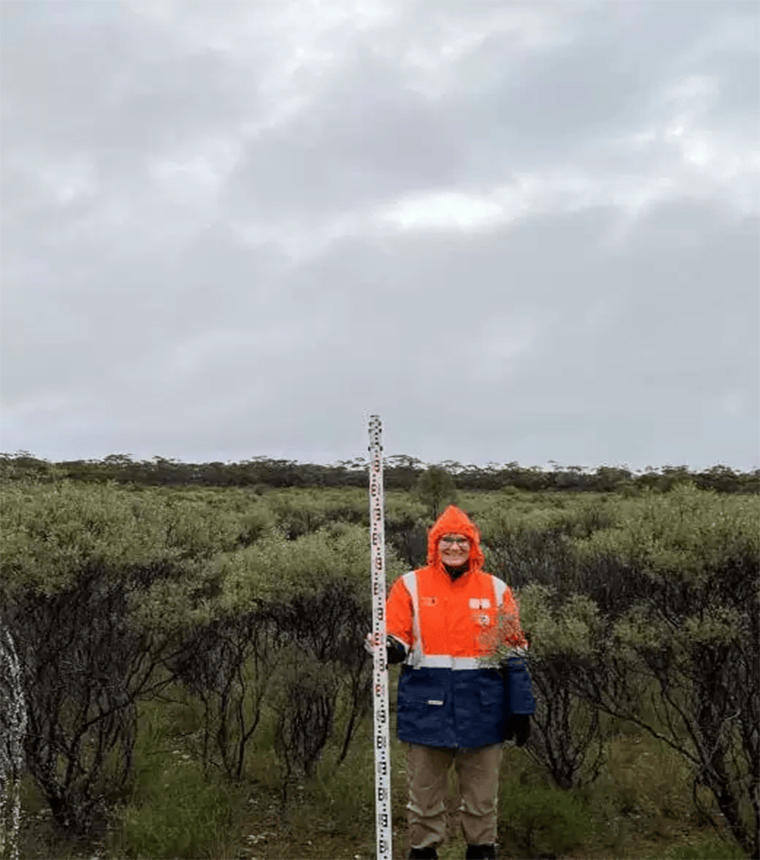
We focus on storing carbon by regenerating native forest through changes in land management and establishing new environmental mallee plantings.
A reforestation project involves establishing, growing, and maintaining a permanent forest of trees or shrubs on land that has been clear of forest for at least five to seven years.
Method 1 - Human-Induced Regeneration (HIR)
What it is
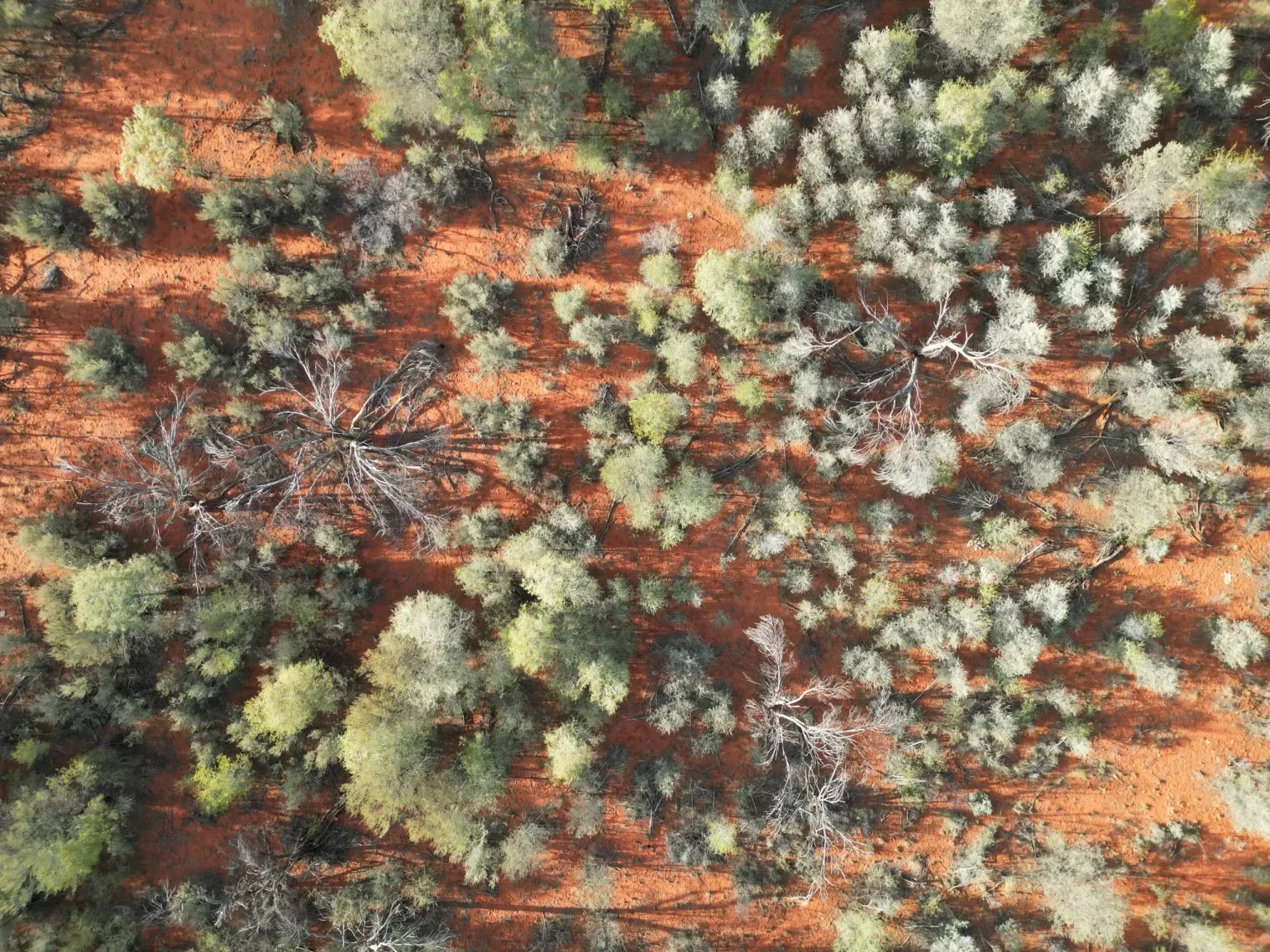
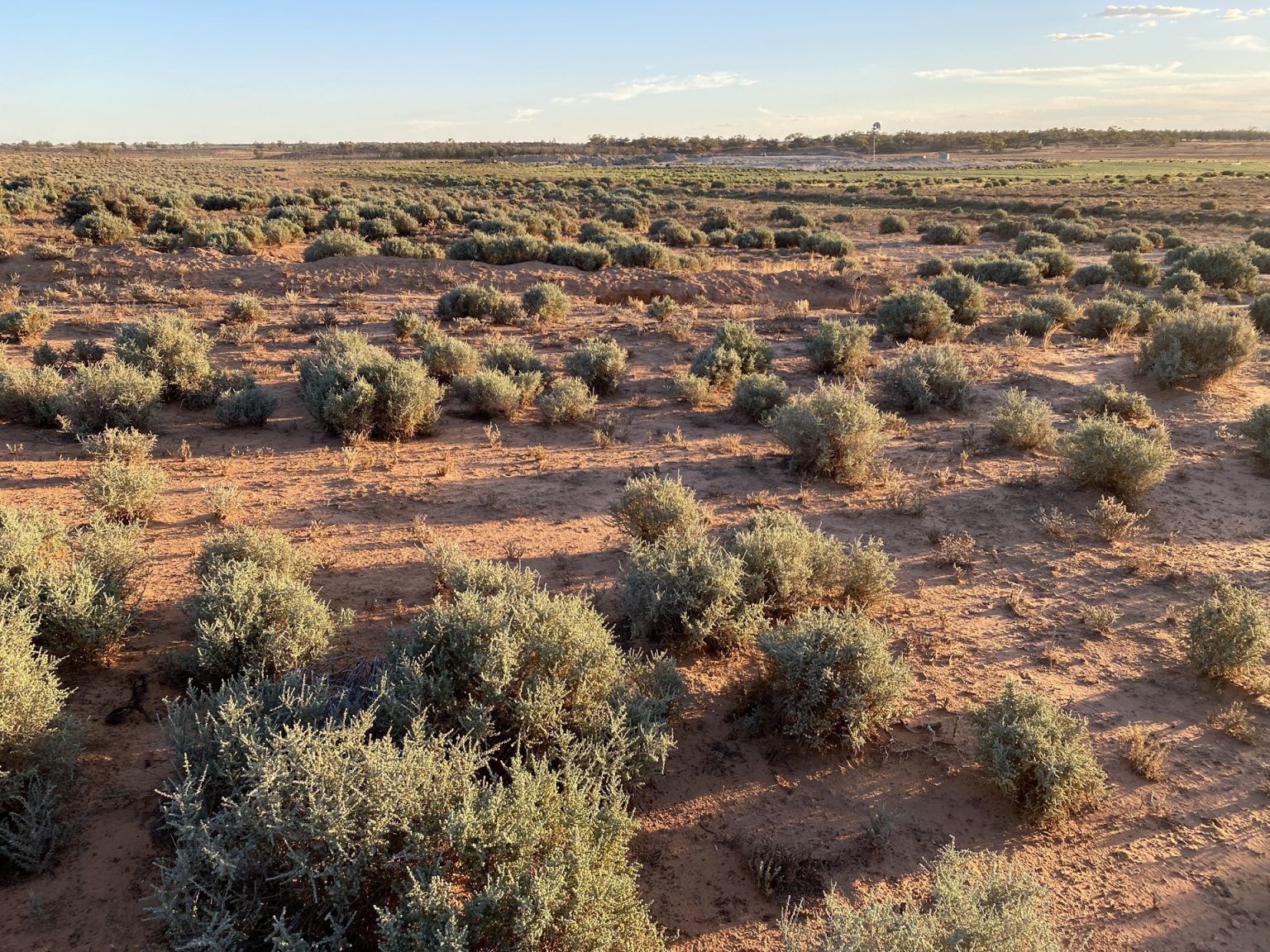
Human-Induced Regeneration, or HIR, is about allowing native forest to regenerate naturally on land where grazing and other agricultural pressures have suppressed it. Rather than planting trees, HIR works by reducing that pressure, through destocking or managing the timing and intensity of grazing, and letting the existing seed bank do the rest.
How it works
The goal is to achieve 20% tree canopy coverage at 2 metres or more, within 25 years. The method requires that the land has existing forest cover potential, that is, trees are reasonably likely to regenerate if grazing pressure is reduced. This is assessed by our ecologists as part of the pre-feasibility process.
Key requirements
- The land must have had grazing activities that suppressed existing or potential forest cover
- There must be evidence of 'forest cover potential', ie. the capacity for trees to regenerate naturally
- Grazing management changes must be made and maintained
- Permanence obligation: 25 or 100 years (note: AiCarbon typically does not pursue 100-year projects)
Who it suits
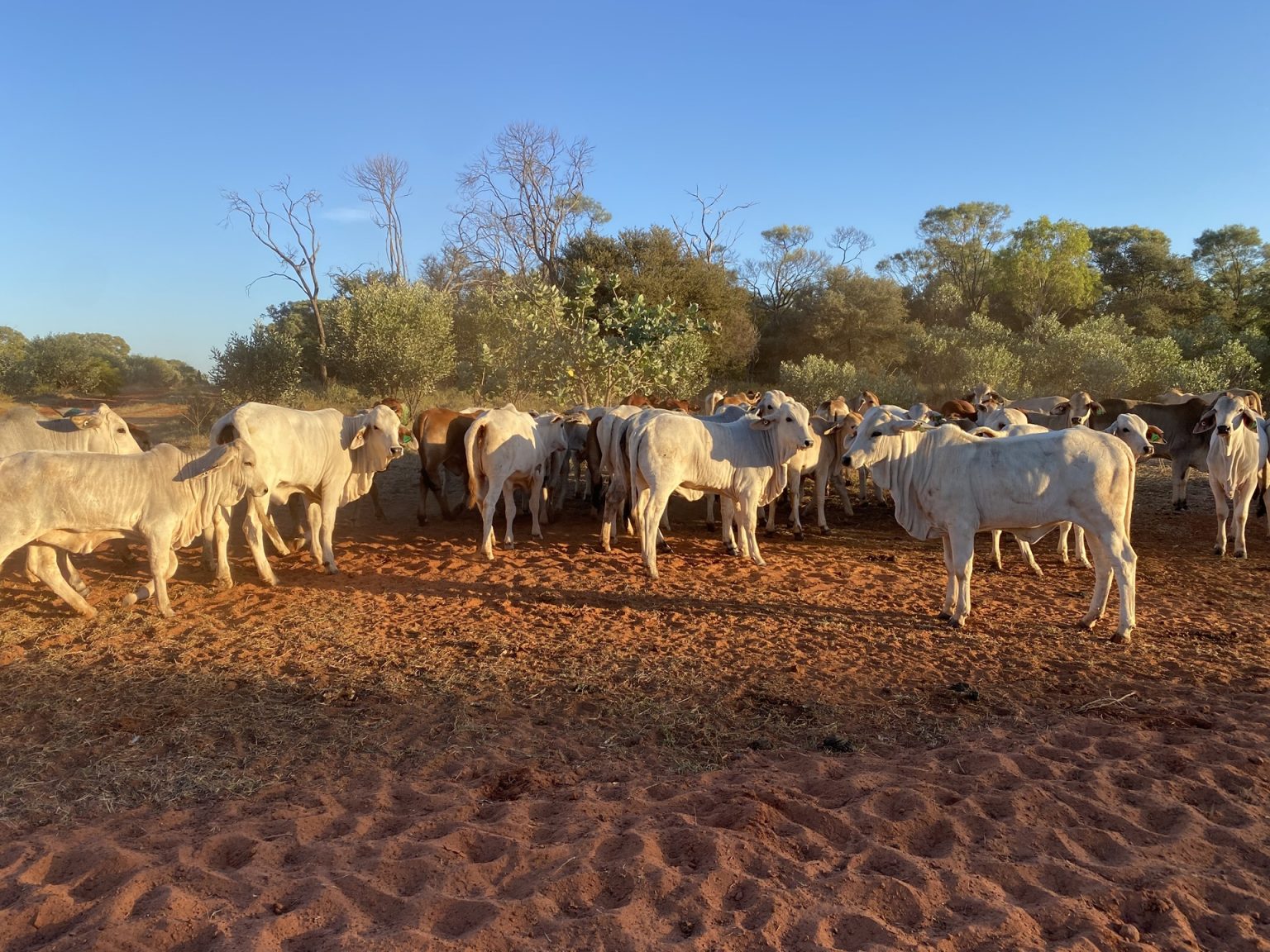
HIR is particularly well-suited to sheep and cattle properties in 200mm to 600mm rainfall areas with a history of native vegetation that has been suppressed by grazing. It does not require active replanting, which makes the ongoing management impact relatively low. This is one of the most widely used methods on livestock properties across the pastoral estate of Australia.
The HIR method reached its 10-year expiry in 2023, though industry proponents and the Clean Energy Regulator are working to reinstate a similar grazing-based approach within the upcoming Integrated Farm and Land Management (IFLM) Method, that is anticipated for release in the latter half of 2026, which will offer pastoralists and graziers a continued pathway into the ACCU scheme.
Method 2 - Reforestation & Revegetation (Environmental or Mallee Plantings)
What it is
This method involves establishing permanent new plantings of native trees or mallee scrub on land that has been clear of forest cover for at least five years. It uses the Full Carbon Accounting Model (FullCAM) to calculate the carbon captured as the trees grow.
How it works
Eligible land must be in an area where FullCAM modelling data exists. Plantings can be designed as belts (shelterbelts, windbreaks) or blocks, and must meet minimum density and height requirements. The plantings are permanent, meaning they cannot be cleared once registered as part of a carbon project.
Key requirements
- Area must have been clear of forest cover for at least 5 years before application
- Belt plantings: minimum density 800 stems per hectare
- Block plantings: minimum density 200 stems per hectare
- Trees must have the potential to reach 2 metres height and 20% canopy cover
- Minimum project area: 0.2 ha
Shelterbelts - a growing opportunity
AiCarbon was recently awarded a grant through the Australian Government’s Future Drought Fund to research carbon sequestration potential in shelterbelt plantings across southern Australia. Working with 10 farms in the South Australian Mallee, we developed shelterbelt designs eligible for carbon credits under this method, calculated carbon sequestration and potential revenue, and assessed the likely impact on each farm’s overall carbon account. This is a growing area of opportunity for livestock producers.
Who it suits
This method suits properties with marginal or unproductive paddock areas suitable for permanent plantings, or where landholders are considering shelterbelts for both agricultural and carbon benefits. It is also possible to design plantings that qualify under both the ACCU scheme and the Nature Repair Market, opening up additional biodiversity revenue.
Method 3 - Soil Carbon
What it is
Soil carbon projects aim to increase the amount of organic carbon stored in agricultural soils, improving soil health, productivity, and generating ACCUs at the same time. This is the only major carbon method that can work alongside continuous cropping and intensive grazing programs without requiring permanent land use change.
How it works
Landholders implement new eligible land management activities that build soil carbon. Changes are measured using direct soil sampling at regular intervals. The increase in soil organic carbon compared to a baseline is translated into ACCUs.
Eligible activities include
- Improving fertiliser application practices
- Re-establishing perennial pasture
- Modifying grazing practices (eg. reduced stocking rates, rotational grazing)
- Converting from intensive tillage to reduced or no-till
- Landscape modification to remediate degraded land
Eligibility limitations
Soil carbon projects cannot be applied to forested land, areas with peat soils, or land that was cleared within 7 years prior to application. AiCarbon assesses properties against eligible rainfall zones, vegetation types, temperature ranges, and dominant soil characteristics before recommending this method.
Who it suits
Grazing and mixed-farming properties, particularly those with an interest in improving their pasture and soil health alongside earning carbon revenue. Because measurement relies on direct soil sampling, it is most cost-effective on larger parcels.
Method 4 - Integrated Farm & Land Management (IFLM)
What it is — and why the industry is watching closely
The Integrated Farm & Land Management (IFLM) method is the most significant development in Australian carbon farming policy in several years, and the entire carbon industry, including AiCarbon, is waiting on its formal release.
Once released, IFLM will create a modular framework under the ACCU Scheme specifically designed to simplify participation for farmers. Rather than requiring separate project registrations for separate land management activities on the same property, IFLM is expected to allow a landholder to register multiple eligible abatement activities under a single project. This will substantially reduce the administrative burden for farmers running mixed enterprises.
Expected eligible activities under IFLM
- Regeneration of native forest on cleared land
- Reforestation by environmental or mallee plantings (including mallee plantings)
- Regeneration of native forest on suppressed lands
Why it matters
For a livestock producer who wants to run both a regeneration project and a shelterbelts planting on the same property, the current system requires two separate project registrations, two sets of documentation, two audit programs, two compliance frameworks. IFLM is designed to streamline the red-tape, administrative burden.
AiCarbon is closely monitoring the IFLM method’s progress through the CER’s consultation and approval process, and actively working with the Carbon Market Institute’s Technical Working Group to ensure the finished product is fit for purpose. We expect the IFLM to become one of the most widely used methods for mixed livestock operations once it is formally released. We will notify our project landholders and prospective clients as soon as it becomes available.
Who it will suits
Landholders who want to implement multiple carbon activities across their property, or who have previously been deterred by the complexity of managing separate project registrations for different activities on the same land.
Interested in IFLM?
Register your interest with us and we’ll be in touch as soon as the method is released and available for project registration. Call 1800 418 515 or email info@aicarbon.com.

AI Carbon
Choosing the Right Method
Not sure which method fits your property? That’s exactly what our Desktop pre-feasibility assessment is for. We look at your land’s characteristics, your existing operation, and your long-term goals, and we tell you honestly what the best option looks like, and what the realistic returns might be. Call 1800 418 515 or email info@aicarbon.com to start the conversation.