

The path from first question to first payment, explained simply.
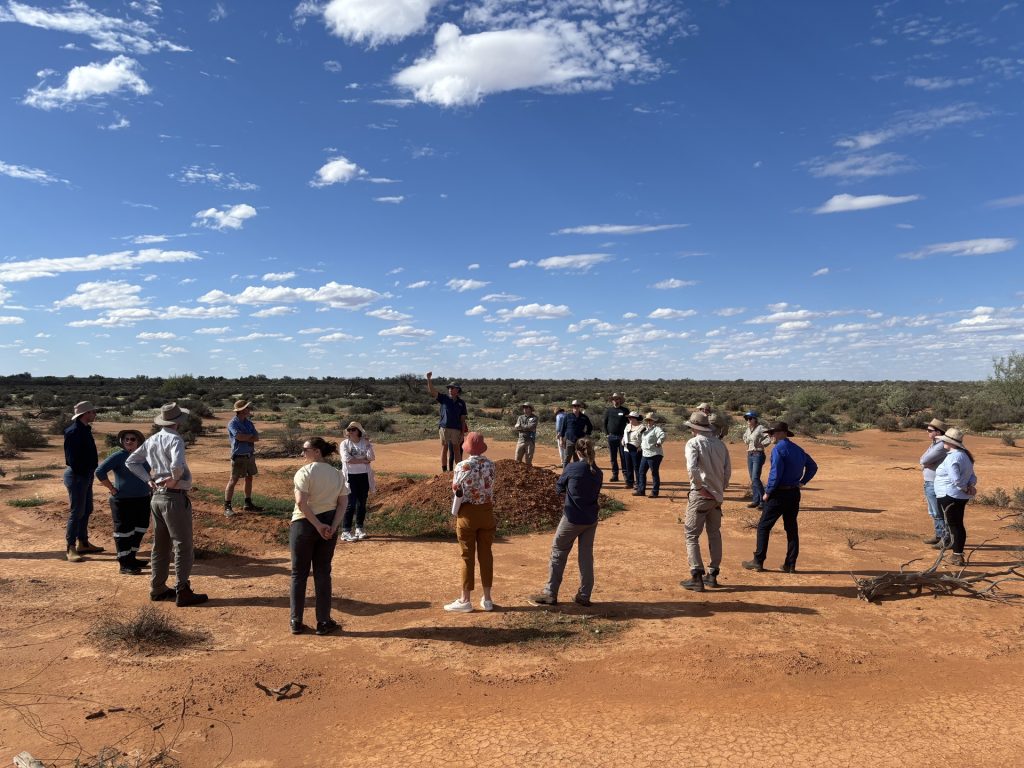
Most landholders who contact AiCarbon for the first time say the same thing: they’ve heard about carbon farming but have no idea where to start, what it actually involves, or whether their property would even be suitable. That’s completely normal, and it’s exactly the kind of conversation we’re set up to have.
The process from initial enquiry to a registered carbon project has a number of distinct stages, and at each stage the decision of whether to continue rests entirely with you. There is no obligation at any point until you choose to sign a project agreement. We think that’s the way it should be.
Below is a plain explanation of the process, from your first call to the day you receive your first payment for ACCUs.
Answering the Questions Farmers Actually Ask
Before we walk through the process step by step, here are the questions we hear most often from landholders thinking about carbon farming for the first time:
What is a carbon project, and how does it work?
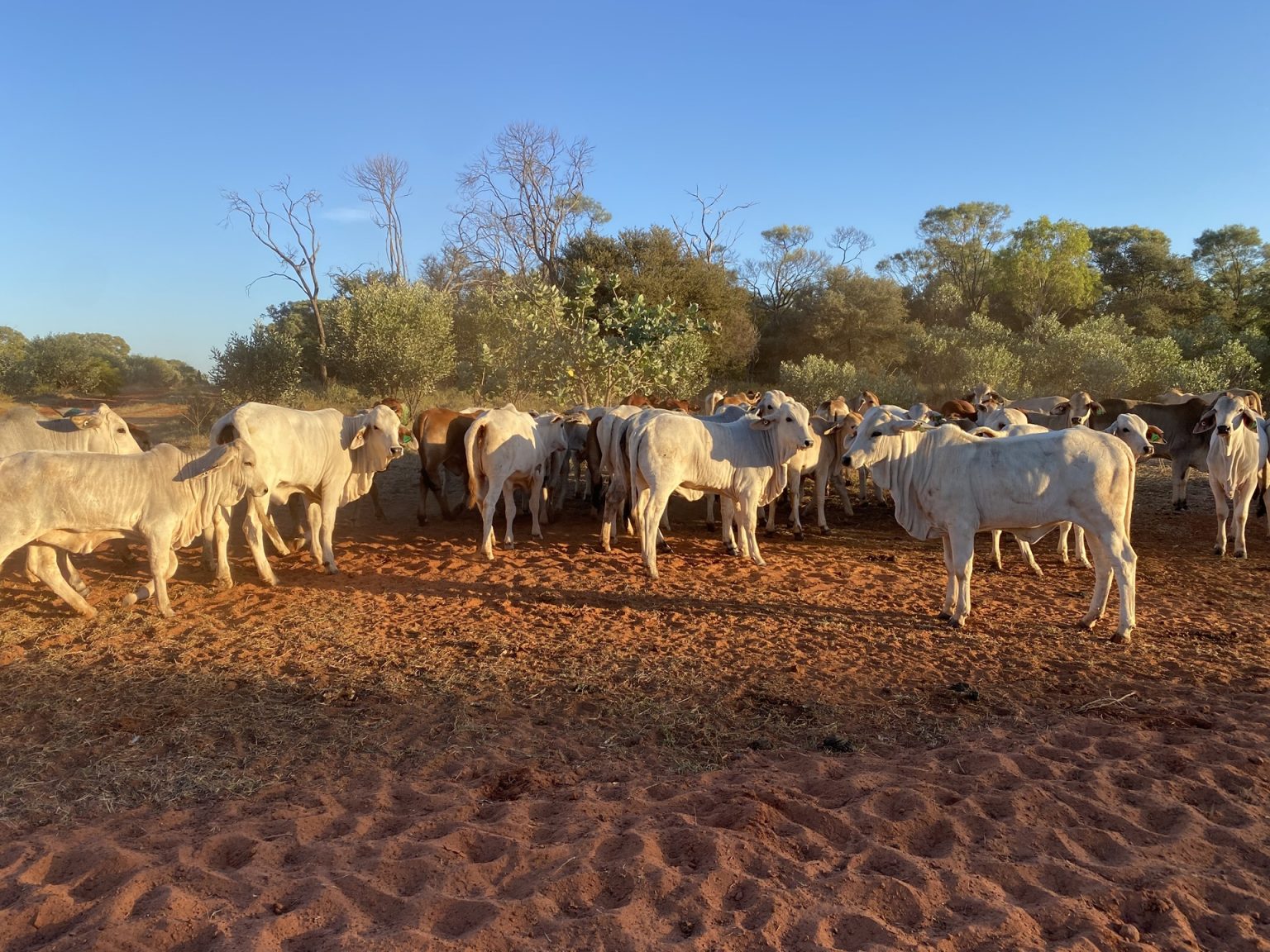
A carbon project involves making a defined change to how you manage part of your land, such as allowing native vegetation to regenerate naturally, establishing new permanent plantings, or improving soil carbon through modified land management practices. The Clean Energy Regulator independently measures and verifies those changes and, at scheduled audit intervals, issues you with Australian Carbon Credit Units (ACCUs). Each ACCU represents one tonne of carbon dioxide equivalent that has been stored or avoided. You then sell those ACCUs, to the government through a contract, or on the secondary market to corporate buyers, and receive the proceeds.
Is my property suitable?
Suitability depends on a combination of factors specific to your land: its size, location, geographic region, rainfall, soil types, existing vegetation cover and history, and your current enterprise. There is no universal minimum, but as a general starting point, sheep and cattle properties of 1,000 hectares or more in regions with suitable vegetation or soil characteristics are typically worth assessing. The fastest way to get an honest answer is to contact us. Our desktop assessment process will tell you quickly whether further investigation is warranted.
How much could I earn?
Revenue varies considerably depending on the method used, your property’s specific characteristics, the scale of the project, and the ACCU market price at the time of sale. Rather than give you a figure that means nothing for your situation, we will build a property-specific financial model once we have assessed your land. That model will show you realistic projected ACCU generation timelines and estimated revenue under current and modelled market conditions. We will present it to you clearly; no fine print, no inflated projections.
How long does it take?
Carbon projects are long-term arrangements. Most operate under a 25-year permanence obligation, though some methods and configurations offer 100-year permanence options. You don’t wait 25 years to receive income, ACCUs are issued at scheduled audit intervals throughout the project life, and revenue can begin flowing within the first few years depending on the method. The initial assessment-to-registration process typically takes several months, depending on property complexity and the method being pursued.
What impact will it have on my farming operation?
That question has a different answer for every property and every method, and it’s one of the most important questions we will work through with you during the feasibility process. Some methods, such as Human-Induced Regeneration, require changes to grazing management in designated areas of the property. Others, like Soil Carbon, can be implemented alongside an existing grazing or cropping program with relatively limited disruption to day-to-day operations.
Every carbon project involves some degree of trade-off between the requirements of the project and your existing production activities. How significant that trade-off is, and whether it’s worthwhile, is your call to make, based on the full information we provide. We don’t design projects and then ask you to fit your farm around them. We work through the trade-offs with you transparently, so you can make an informed decision about what makes sense for your enterprise.
What does it cost?
The initial desktop assessment, which AiCarbon uses to determine whether a property has sufficient carbon potential to justify a full feasibility assessment, is carried out at no charge to you. If the desktop assessment indicates genuine potential, we will discuss the next stage with you before proceeding.
The Feasibility Assessment phase typically involves a site visit to your property, and depending on the method being assessed, may also require aerial survey work, including LiDAR flights by fixed-wing aircraft or drone, to accurately map vegetation structure, density, and extent. For Soil Carbon projects, this phase includes targeted soil core sampling and laboratory analysis, which is carried out by accredited third-party drillers and testing laboratories.
The costs associated with these elements vary on a case-by-case basis, depending on the property’s location, total area, the method or methods being assessed, and its proximity to existing regional carbon data sources that may reduce the survey work required. We discuss all costs transparently before any work is commissioned, and you decide whether to proceed.
For landscape carbon projects that proceed to registration, AiCarbon’s ongoing fee is structured as a percentage of the revenue generated by your project, meaning our return is tied directly to yours. In certain circumstances, AiCarbon is also able to provide project development and management services on a fee-for-service basis, acting as a professional agent on behalf of the landholder. This arrangement is discussed and agreed before any engagement commences.
What are my reporting and compliance requirements?
The Clean Energy Regulator requires that registered carbon projects meet scheduled monitoring, auditing, and reporting obligations throughout their life. These requirements vary by methodology. AiCarbon manages all of this on your behalf, including audit coordination, monitoring program delivery, and regulatory submissions. Your primary obligation is to carry out the agreed land management activities and to keep us informed of relevant changes to your enterprise. The administrative workload on your side is kept to a practical minimum.
The AiCarbon Process - Step by Step
1
Enquire
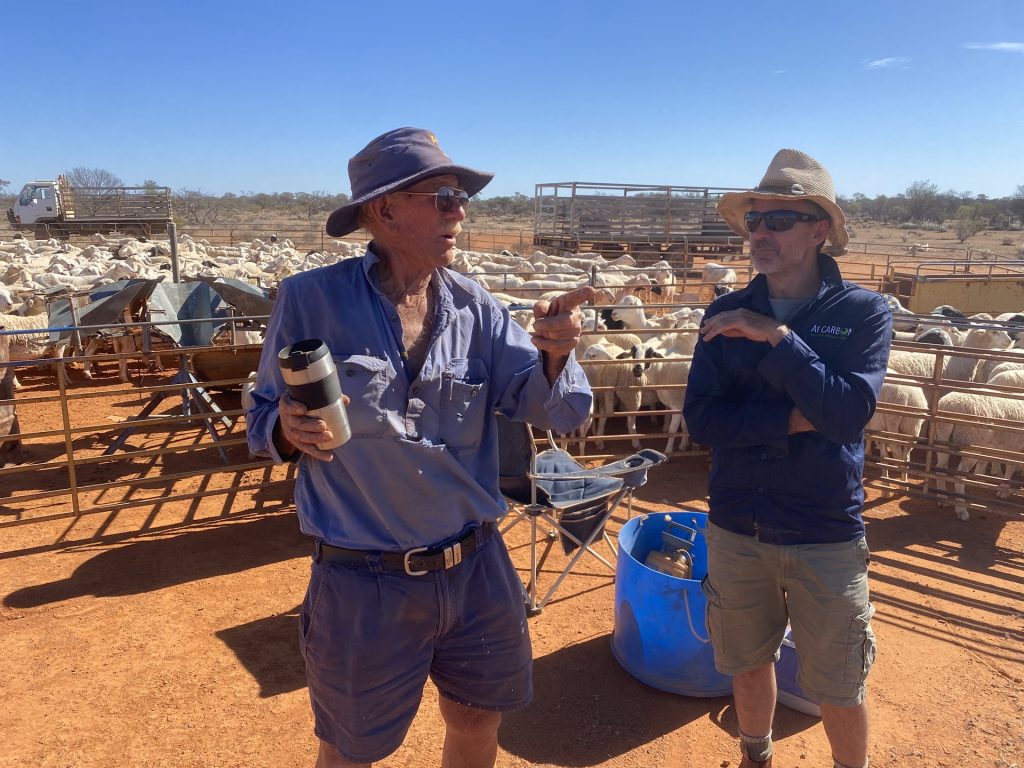
It starts with a conversation. Call us on 1800 418 515 or email info@aicarbon.com and tell us about your property: its location, size, the type of enterprise you run, and any existing knowledge you have about your land’s vegetation cover or soil history. There is no cost and no obligation. We will ask some straightforward questions and give you an initial read on whether your property is worth exploring further.
2
METHOD QUALIFICATION
If the initial conversation suggests your property has potential, AiCarbon carries out a desktop assessment, at no cost to you. Using satellite imagery, GIS tools, regional vegetation data, soil mapping, and FullCAM modelling (where applicable), our spatial analysts and ecologists evaluate your land against the eligibility criteria for each relevant carbon farming methodology. We identify which methods are potentially applicable to your property and, where the data is sufficient, provide a preliminary financial model showing estimated ACCU generation and revenue.
The desktop assessment is AiCarbon’s way of making sure there is genuine potential before we ask you, or ourselves, to invest further time and resources. If the desktop assessment shows the potential is limited or not economically viable, we will tell you plainly and explain why. No project will be recommended to you unless we believe it stacks up.
3
FEASIBILITY ASSESSMENT
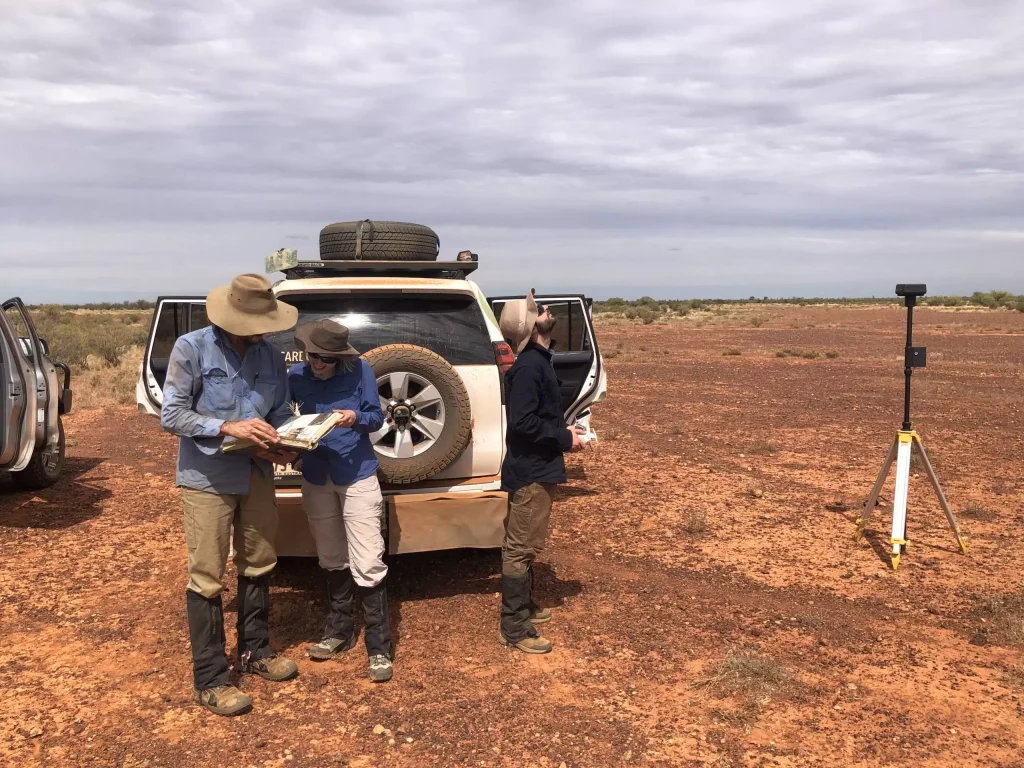
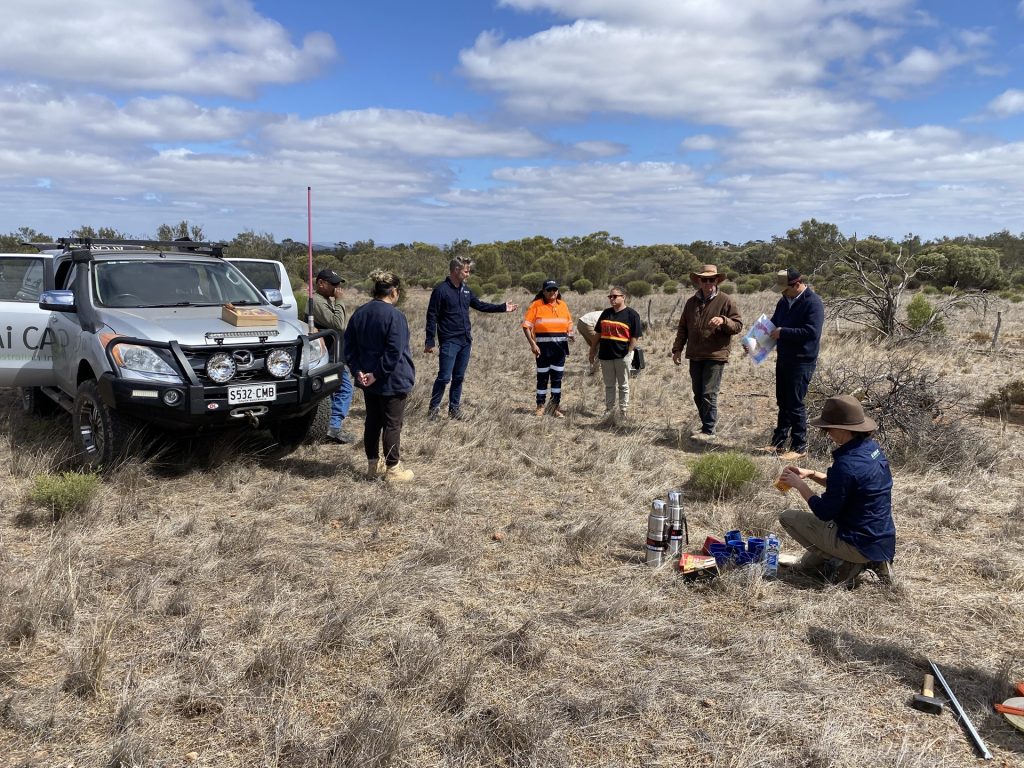
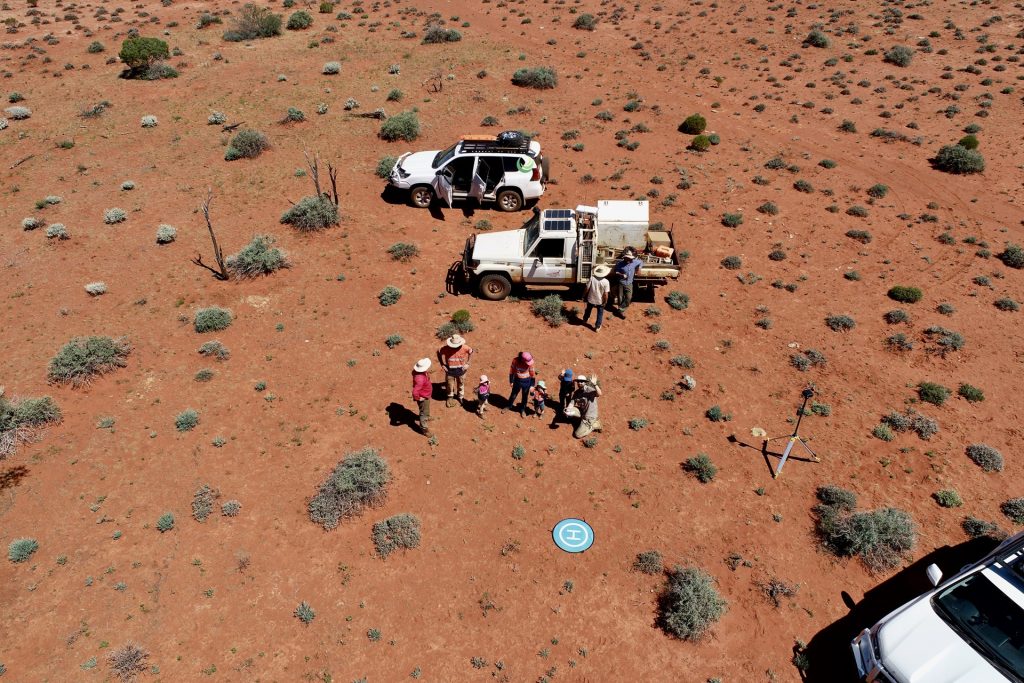
Where the desktop assessment identifies genuine potential, the next stage is a full Feasibility Assessment. This involves a site visit to your property by our team, typically including an ecologist, or a spatial analyst, and in some cases an agronomist. For properties where aerial data is required to accurately map vegetation structure and density, we may commission LiDAR survey flights using either fixed-wing aircraft or drone technology.
For Soil Carbon projects, the Feasibility Assessment includes targeted soil core sampling across your property. This sampling is carried out by accredited third-party drilling contractors, and the extracted cores are analysed by independent laboratories to establish baseline soil carbon levels and confirm the property’s suitability for the method.
The scope and associated costs of the Feasibility Assessment are always discussed with you before work commences. Those costs depend on your property’s size, location, the method being assessed, and how much of the required data can be sourced from existing regional datasets. You decide at this point whether to proceed. There is no obligation to continue, and AiCarbon does not proceed with assessment work without your agreement.
At the conclusion of the Feasibility Assessment, we provide you with a detailed feasibility report and financial model specific to your property. This is the document that gives you the full picture: projected ACCU generation, estimated revenue over the project life, the land management changes required, the likely impact on your existing enterprise, the regulatory obligations, and AiCarbon’s proposed fee structure. Everything you need to make an informed decision.
4
CONTRACT
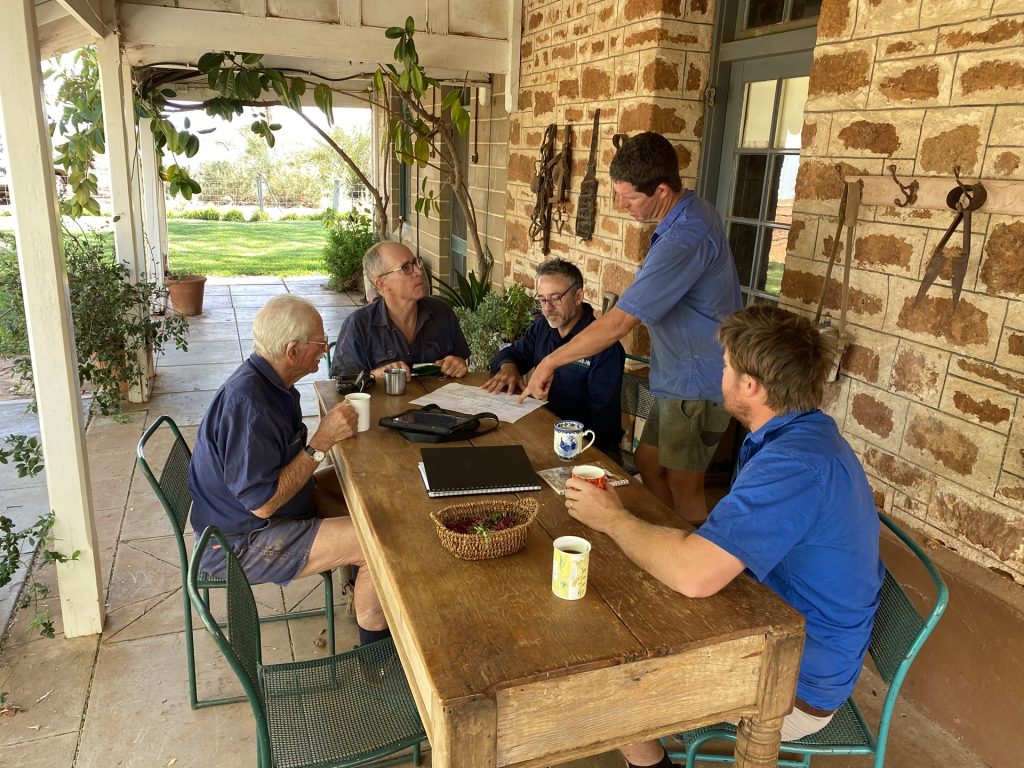
If you decide to proceed on the basis of the feasibility report, AiCarbon prepares a project agreement for your review. This agreement sets out the terms of the working relationship: AiCarbon’s responsibilities, your responsibilities as the landholder, the fee structure, the revenue-sharing arrangement, the project management plan, and the term of the agreement.
We encourage you to have the agreement reviewed by your own legal and financial advisers before signing. A carbon project is a long-term commitment, and we believe it’s important that you enter into it with full understanding of everything involved. The project management plan, which details any required changes to your land management practices, is developed in consultation with you at this stage, ensuring that the requirements of the project are workable within the context of your enterprise.
5
REGISTER
Once the agreement is signed, AiCarbon manages the formal registration of your project with the Clean Energy Regulator. This is technically detailed work: project documentation, methodology compliance checking, consent identification, and CER submission. We do all of it. You stay on the farm.
Registration typically takes several months. During this period we manage all correspondence with the CER and keep you informed of progress. Your project is not active, and ACCUs cannot begin to accrue, until the CER has formally confirmed registration.
6
MONITOR
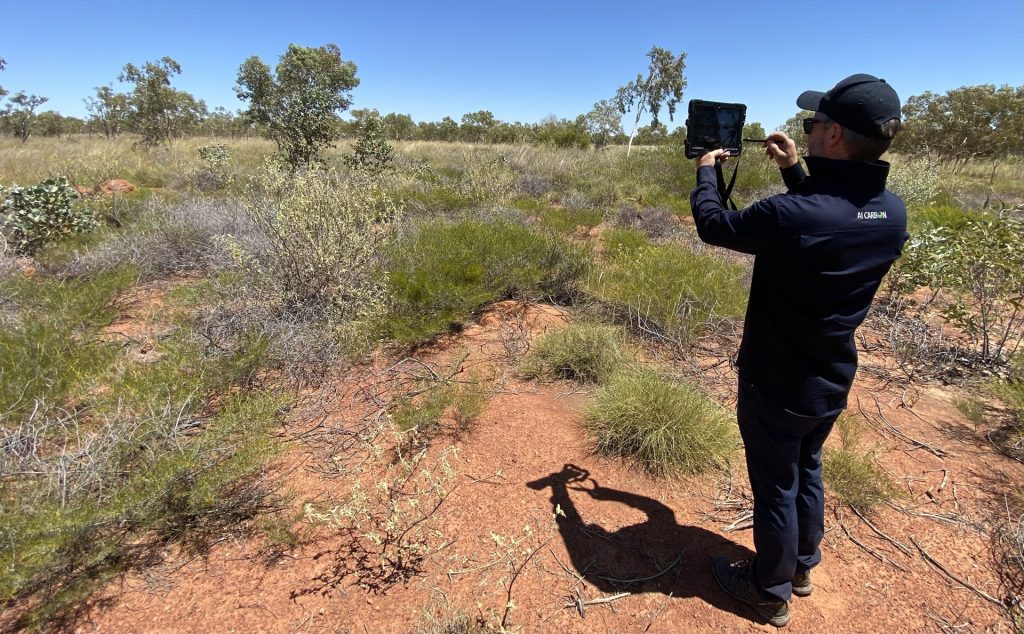
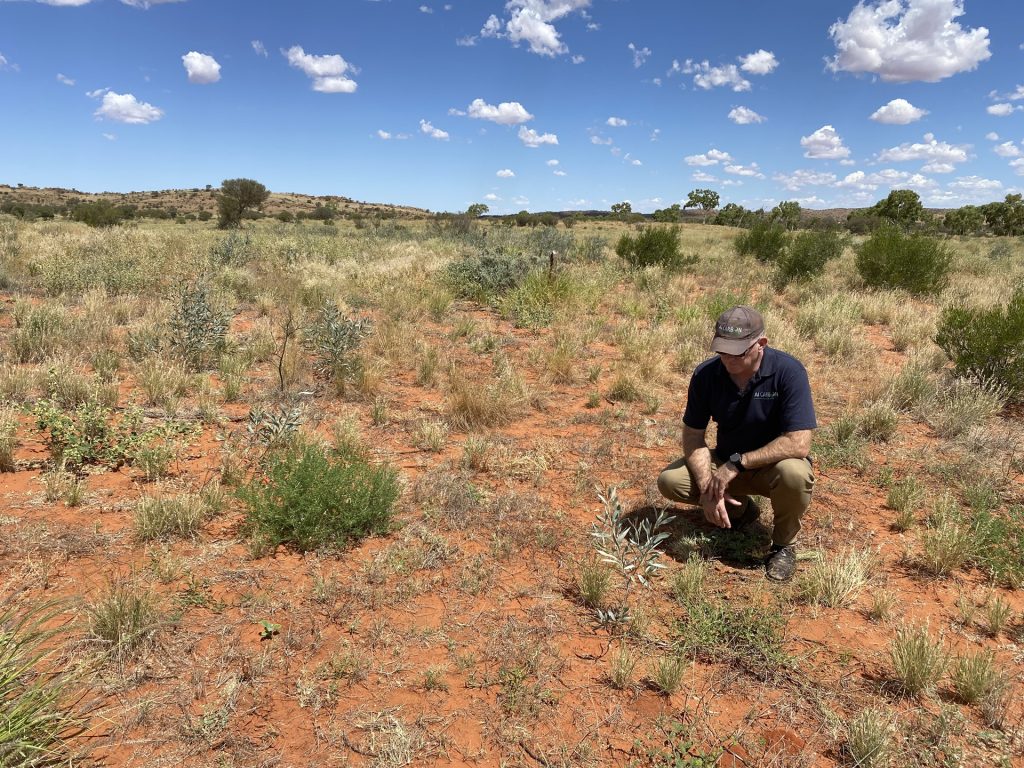
With your project registered, the monitoring phase begins. The monitoring requirements vary by methodology. For HIR and reforestation projects, this typically involves periodic vegetation monitoring and photo-point surveys. For Soil Carbon projects, it involves scheduled soil sampling at defined intervals. AiCarbon manages all monitoring program delivery, and our field teams carry out the required surveys in coordination with you and your property schedule.
7
MANAGE
AiCarbon remains your active partner throughout the life of your project. We manage audit coordination, prepare and lodge regulatory reporting, liaise with the Clean Energy Regulator on your behalf, and provide ongoing support for any land management questions that arise. If your enterprise or property circumstances change in ways that may affect your carbon project, we work through the implications with you and manage any necessary adjustments.
8
EARN
At the scheduled audit intervals determined by your methodology, AiCarbon coordinates the formal audit process, manages any required third-party audit engagement, and prepares the offtake reports and submissions for ACCU issuance by the Clean Energy Regulator. Once ACCUs are issued into your account, we use our Australian Financial Services Licence to actively market and sell them, going to the Government, to secondary market buyers, and to corporate emitters seeking high-integrity credits, and targeting the best available price at the right time. We do not accept the first offer. We work the market on your behalf. Returns are shared with you transparently, in accordance with the terms of your project agreement.